 Oculista Bolzano
What to do for a small, localised lump
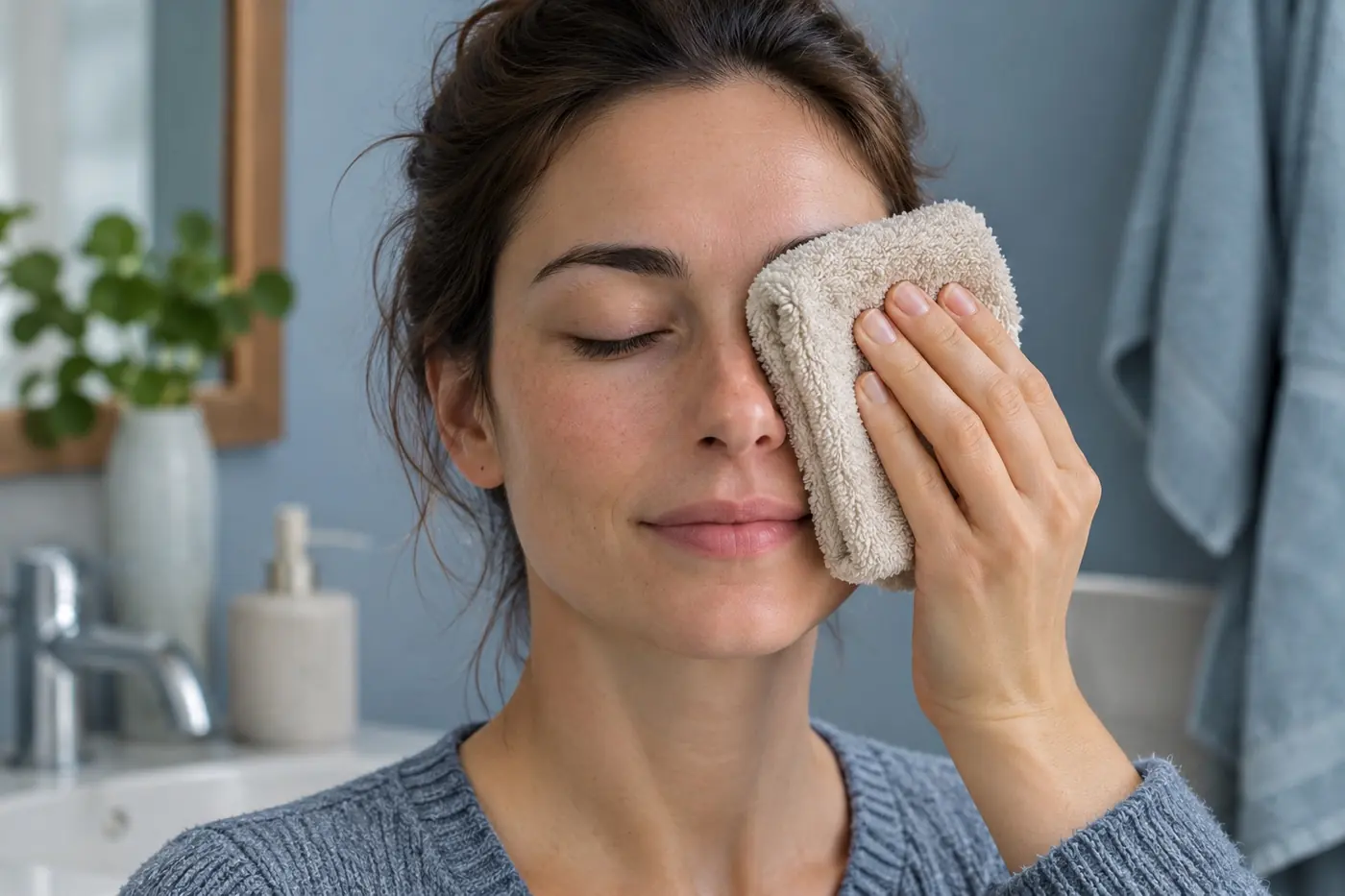
If the lump is localised and vision is normal, apply a clean, comfortably warm cloth over closed eyelids for a few minutes without pressing on the eye. NHS advice for a stye suggests five to ten minutes. Wash your hands first and use clean material. Avoid eye makeup and contact lenses while the eye and eyelid are irritated.
Do not squeeze, puncture or attempt to drain it with tools. Arrange assessment if it is very painful, enlarges, fails to settle or recurs. Do not reuse antibiotic or steroid ointment for an unexamined lump. Treatment depends on the type of inflammation and any risk to the eye.
Differences you can describe
A stye may appear quickly and feel tender. Some are close to a lash at the margin; others lie deeper. A chalazion often develops when a gland does not drain properly. It may initially be inflamed, then remain as a less painful nodule for longer. A large chalazion can press on the corneal surface and affect vision, so report any visual change.
Its course is more useful than trying to identify it at first glance. Note when it appeared, whether it seems mobile or fixed, whether it always occupies the same place and whether other lumps occur. Blepharitis or gland dysfunction can contribute to recurrence. Repeated episodes merit assessment of the margins and ocular surface.
When swelling needs urgent care
A small lump can cause local surrounding redness. Rapidly spreading redness, swelling of the entire lid, fever or feeling very unwell needs same-day assessment. Go immediately to the emergency department if moving the eye hurts or is difficult, the eye appears more prominent, you see double or vision decreases.
For a young child, report difficulty opening the eye, unusual lethargy or rapidly worsening swelling. Do not force the eye open to photograph the lump. Explain the onset, fever or recent illness and what has changed. Vision and eye movements help distinguish an eyelid problem from infection extending deeper.

If it keeps returning in the same place
A persistent lump, one recurring in exactly the same spot, ulceration or associated lash loss needs examination. Most eyelid lumps are benign, but some other conditions can resemble a chalazion. The clinician assesses location, edges and structure before recommending observation, removal or tissue analysis.
Bring reports of previous treatment to that area and say whether the lump completely disappeared afterwards. In an adult, a lasting change in eyelid shape or a bleeding lesion should not be treated for months as a simple stye without reassessment. For a stable but troublesome lump, discuss options and realistic timing.
Unusual-looking tissue that is removed may be sent for histological examination. This checks what the tissue is; requesting the test does not itself mean a tumour has been diagnosed.
What to expect at the appointment
The ophthalmologist examines the lump, sometimes the inner eyelid, lash position and cornea. Local care and observation may be appropriate. A persistent chalazion can sometimes be treated with a procedure. Antibiotics are not automatic when the problem is a blocked gland; signs of infection change the decision.
Ask when to review the lump and what should bring the appointment forward. Changed vision or diffuse swelling needs earlier care. If compresses or cleaning are recommended, clarify how to perform them without pressing. Benefit is judged by comfort and the course of swelling, not the force applied.
Report previous treatments, anticoagulants and other medicines. Ask when makeup or contact lenses may resume. If a new lump returns at the same site after a procedure, tell the ophthalmologist rather than indefinitely restarting compresses. Skin changes and lash loss matter too.
Large eyelid lumps in children
A large lump can change eyelid shape or affect vision, particularly if it partly covers the eye. Arrange assessment if it persists or a child closes one eye, moves unusually close to objects or seems to see less well on one side. Do not press or try to measure its mobility. Describe when the behaviour began and whether swelling is increasing.
Ask how to use a compress safely with comfortable warmth and without forcing the child. Fever, diffuse swelling or painful eye movement changes the priority and requires urgent assessment. For a small stable lump, ask how long observation is appropriate before specialist review.
How long to wait, and why antibiotics may not help
Styes and chalazia follow different courses. A stye often involves a localised infection and may improve over days. In a chalazion, trapped gland contents provoke inflammation: early pain may resolve while the lump takes weeks to shrink. A less tender residual nodule does not itself prove persistent infection requiring antibiotics.
Arrange an examination if the lump lasts for weeks, grows or affects vision. Size, location, duration and eyelid-margin findings guide observation, treatment or a procedure. You do not need to try every available ointment before seeking assessment.
Sources · NHS · Stye · Moorfields Eye Hospital · Chalazion
All sources and further reading (9)
- NHS · Blepharitis
- AAO · Blepharitis Preferred Practice Pattern, 2024
- NHS Scotland · Orbital cellulitis in adults
- Royal Children’s Hospital · Periorbital and orbital cellulitis
- NHS – Red eye
- AAO · Chalazion management
- AAO · Pediatric ophthalmology and strabismus benchmarks, 2025
Illustrative images from the website’s image library.
- AI-generated illustrative image
- AI-generated illustrative image