 Oculista Bolzano
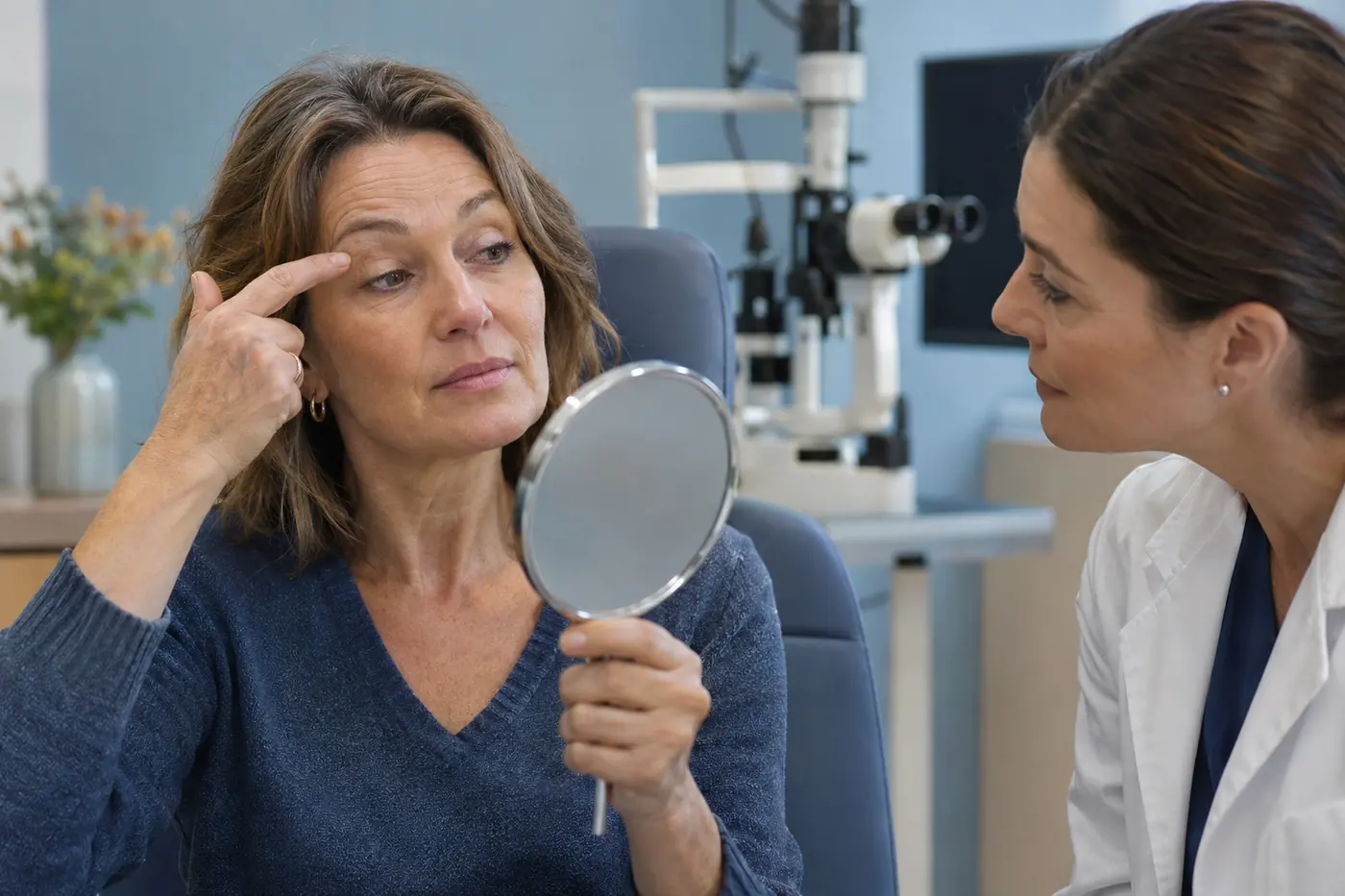
Excess skin, ptosis and brow position
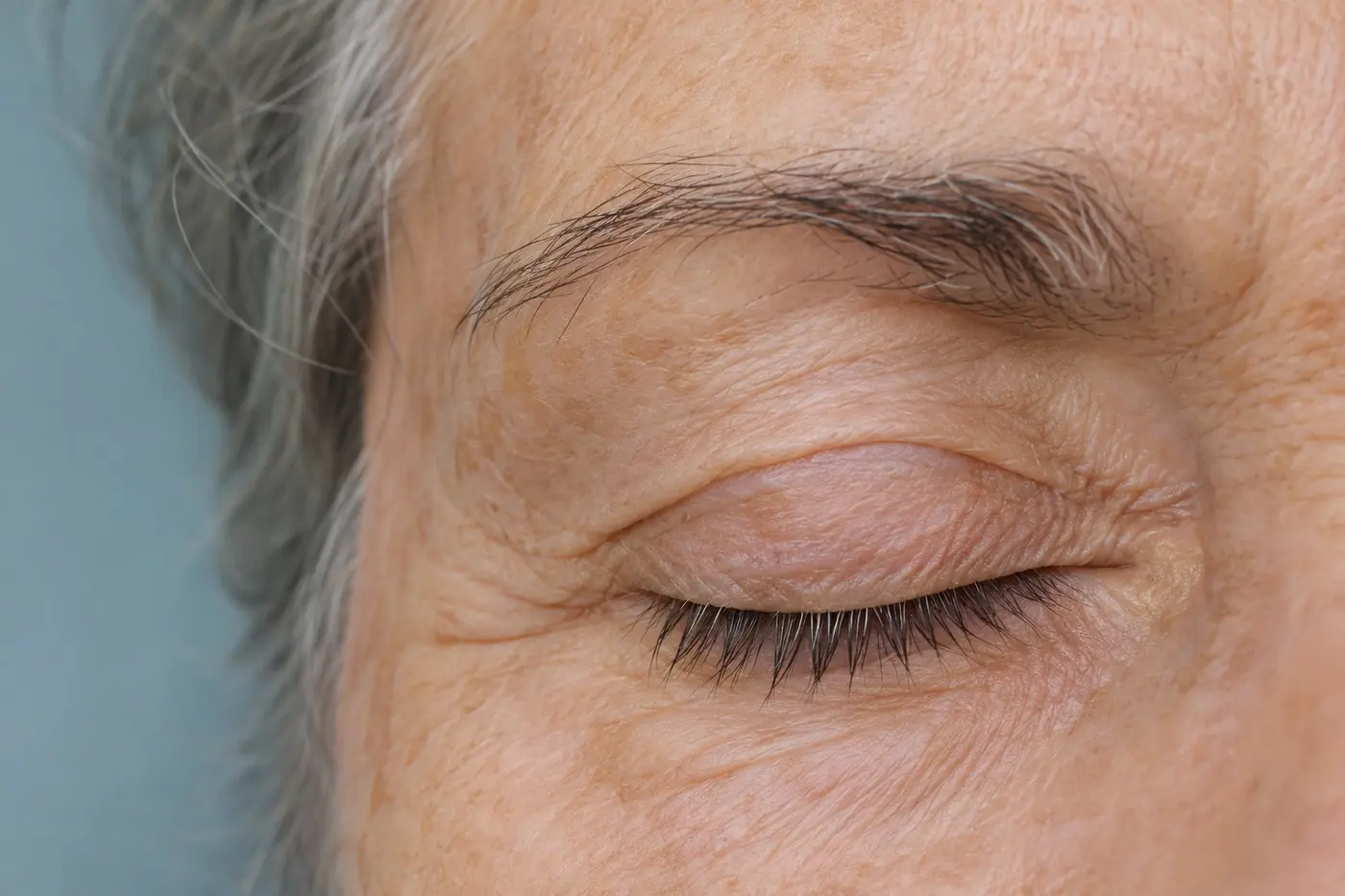
Dermatochalasis is excess eyelid skin, often most noticeable in the upper lids. It may change appearance, cause heaviness or restrict the upper visual field. Not every drooping eyelid has the same cause.
In ptosis, the eyelid margin sits too low; a lowered eyebrow may also contribute. Blepharoplasty treats excess tissue but does not automatically correct these other problems.
Sudden eyelid drooping, particularly with double vision, unequal pupils or severe headache, needs urgent assessment rather than a routine cosmetic consultation.
Discussing benefits and limitations
The reason for surgery may be functional, cosmetic or both. Examination and, when appropriate, visual-field testing help document a reported visual restriction. A photograph alone cannot establish its cause.
Assessment includes the eye surface, dryness, lid closure, brow position, symmetry and previous surgery. Dry eye or incomplete closure needs particular attention because removing too much tissue can reduce eye protection.
Perfect symmetry, invisible scars and an unchanging long-term result cannot be guaranteed. Waiting or declining surgery are reasonable choices when expected benefit is limited.
Surgery, recovery and warning signs
Technique and anaesthesia depend on the individual case. The upper-lid incision is often placed within the eyelid crease. The amount and type of tissue treated need careful planning. Calling an operation “minimally invasive” does not explain its limitations or risks.
Swelling, bruising and discomfort may occur initially. Recovery varies, and scars change over time. Obtain written instructions about care, medicines, activities and follow-up. Do not stop blood-thinning medication yourself.
Risks include bleeding, infection, asymmetry, dry eye and closure problems. Rarely, deeper bleeding can threaten sight. Severe or increasing pain, reduced vision or rapidly increasing swelling after surgery needs immediate assessment.
Preparing for a consultation in Bolzano
Bring a medication list and information about allergies, previous procedures and dry-eye treatments. Explain whether the concern is vision, heaviness, appearance or a combination. Older photographs may help show changes.
Ask which structure causes the problem, what procedure is proposed and what alternatives exist, including observation. Find out whom to contact if problems develop afterwards.
Consent should allow time for questions and clearly distinguish likely improvements, limitations and risks. You do not have to decide at the first appointment.
Sources · AAO EyeWiki: Upper Eyelid Blepharoplasty · AAO report: Functional indications for upper eyelid surgery
All sources and further reading (2)
Illustrative images from the website’s image library.
- AI-generated illustrative image
- AI-generated illustrative image