 Oculista Bolzano
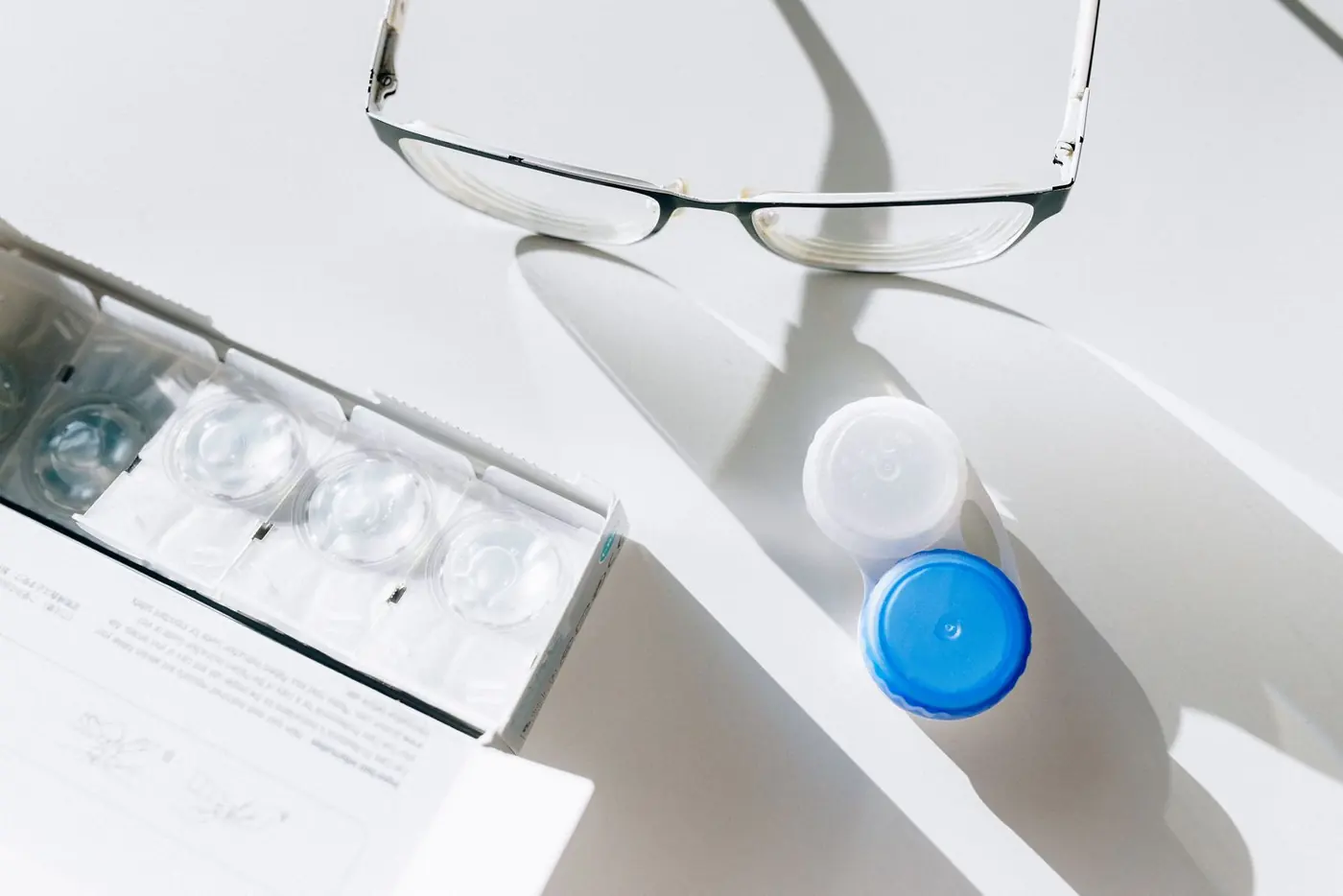
Remove the lens and arrange assessment
If the lens comes out easily, wash and dry your hands and remove it. Switch to glasses. If it seems stuck or you are unsure whether it is out, do not use nails, tweezers or other tools. Tell the service assessing you. A red or painful eye should not wait until evening or the next morning to see whether it improves.
Report pain, light sensitivity, blur, watering or discharge, including worsening after removal. If vision is reduced or pain is significant and an ophthalmologist cannot see you immediately, go straight to the emergency department. Bring your glasses and, if readily available, lens and solution details. Do not delay care to collect them.
Why a corneal infection must be excluded
The cornea is the clear window in front of the pupil. A contact lens rests on the tear film covering it. Irritation, an abrasion and early infection can feel similar. Microorganisms reaching the cornea can cause inflammation that progresses quickly and may affect vision permanently, particularly near the central visual axis.
You do not need to see a white spot before seeking help. Report an opacity if you notice one, but a small lesion may be invisible in a mirror. The clinician looks for surface damage and inflammation. Causes include bacteria and, in some circumstances, other organisms. Discharge colour or pain alone cannot guide safe treatment at home.
Showers, swimming, tap water and sleep
Report sleeping in lenses, even for a nap, as well as showering, swimming or using a hot tub while wearing them. Water can contain microorganisms and should not be used to rinse or store lenses or their case. Exposure may lead the clinician to consider less common causes such as Acanthamoeba keratitis.
Not every case comes from one identifiable habit. Replacement schedules, handwashing and fresh solution also matter. Daily disposable lenses should be discarded after use; reusable lenses need care according to the product and professional instructions. Packaging can identify the type but should never delay the examination.

Examining the cornea and testing for an organism
The ophthalmologist measures vision and examines the cornea with a microscope. A dye can highlight surface damage. The location, size and depth of the lesion and signs of inflammation guide management. In some cases, a sample from the cornea helps identify the organism. Depending on the findings, treatment may begin before results are available.
Ask for clear instructions on drop frequency and the first follow-up date. Some infections need close monitoring. Mention medicine allergies and everything already put in the eye. If pain or vision worsens between appointments, contact the team immediately, even if treatment has only just started.
What to avoid during recovery
Avoid contact lenses, eye makeup and improvised eye patches unless advised otherwise. A home-made patch does not treat infection. Do not borrow drops, start steroids or reuse leftover products. Do not stop prescribed treatment simply because the eye looks less red without clarifying the plan.
Ask whether you should use new lenses and replace the case or accessories before resuming wear. Use glasses meanwhile and adapt activities to your actual vision. If symptoms recur whenever lenses are reinserted, fit or material may need reassessment after recovery. Keeping the cornea safe and correcting your vision are related but separate needs.
Returning to lenses with lower risk
Follow the agreed wearing schedule and keep spare glasses available. Wash and dry your hands before touching lenses. For reusable lenses, follow instructions for cleaning, case replacement and fresh solution; do not top up old solution. Remove lenses before sleep unless specifically prescribed otherwise, and before swimming or showering.
Good vision and comfort alone do not establish corneal health, even if they tempt you to extend wearing time. Note recurrent discomfort associated with the end of the day or a particular product. Pain, redness, photophobia or reduced vision calls for a different response: remove ordinary lenses and seek immediate care.
What the timing can tell the clinician
Predictable end-of-day discomfort with a white eye that resolves after lens removal may need an assessment of the surface and lens fit. If today’s pain is stronger, one eye becomes red or vision does not return to normal after removal, seek immediate examination. A familiar pattern cannot explain a changed episode on its own.
If a clinician fitted a therapeutic lens after surgery, do not remove it against the centre’s instructions. Contact that team and promptly describe pain, redness or worsening vision. For ordinary corrective lenses, easy removal and avoiding reinsertion are the first steps. In either situation, pain and declining vision require assessment without waiting.
Why follow-up matters even when pain improves
An infected cornea needs monitoring until the clinician confirms that infection is controlled and the surface is healing. Pain is only one measure. Slit-lamp examination also assesses the lesion’s extent, depth and position. A lesion near the centre can leave an opacity affecting vision even after infection resolves.
The prescribed drop schedule may be much more intensive than that of an ordinary lubricant. Ask how to organise doses and whether you need help. Do not reduce treatment to fit your day or skip review because the eye looks whiter. Tell the team if you cannot follow the plan; this may change management.
Returning to contact lenses is a separate decision from pain relief. Clarify when to restart, which lenses and accessories to replace and whether fit needs rechecking. An up-to-date pair of glasses lets you correct your vision during recovery without restarting lenses too early.
Water on contact lenses and chemical eye splashes are different
Tap water does not replace an appropriate lens-care solution. Bottled water, saliva and home-made saline do not disinfect lenses either. Avoid showering and swimming in lenses during normal wear. Water exposure matters for certain uncommon but difficult-to-treat infections.
There is an essential emergency distinction: if detergent or another chemical enters the eye, start rinsing immediately with clean water. Delayed irrigation is the danger to avoid in a chemical injury. Do not wait for sterile solution or postpone rinsing while repeatedly trying to remove a lens. Remove it as soon as this is easy, without unnecessarily interrupting irrigation, and seek urgent care.
Routine lens-care rules should therefore never make you hesitate after a chemical splash. Tell the clinician which product was involved and that you were wearing a lens; both details help assess the exposure.
Sources · CDC – Contact lens-related eye infections · AAO · Bacterial Keratitis Preferred Practice Pattern, 2024
All sources and further reading (7)
- NHS – Red eye
- The Princess Alexandra Hospital NHS – Corneal abrasion
- TFOS DEWS III – Diagnostic Methodology, 2025
- NHS – Eye injuries
- NHS Highland · Acute ocular chemical injury guideline
Illustrative images from the website’s image library.
- Nataliya Vaitkevich · Pexels License
- AI-generated illustrative image